Foundation risk calls for an earlier and traceable advice file

Turn a foundation signal into an early file trigger
The choice for the mortgage adviser is clear: do not wait for a valuation report to arrive, but open a standard file entry for every available foundation signal. This is not a technical assessment of the foundation. It is a way to make visible what information was available, when it became known and what was discussed with the client. The supplied KCAF passages place foundation risk more explicitly within valuation and decision-making and identify a need for early risk clarification. That supports an early process step, not the conclusion that every property requires further investigation. Therefore, at intake, upon receipt of property information and at valuation, record the same three questions each time: what is the source of the signal, what uncertainty was discussed with the client and what follow-up action was agreed? This ensures that a report received later supplements the file rather than being the first point at which the subject becomes visible.
Keep the assessment, client discussion and follow-up separate
According to the supplied passage, the valuer forms an opinion based on the Foundation Risk Report, their own inspection and additional information, and incorporates this into the valuation judgement. If there is doubt, a QuickScan may be recommended. The adviser's operational boundary therefore lies in translating available information into the financing discussion and the file process; the technical assessment is not taken over. Therefore, do not record only a score or report name, but also the status: signal received, report awaited, client informed, further investigation raised or financing choice reconsidered. According to the other passage, where risk is elevated, a justification is more often required as to why further investigation was or was not carried out or recommended. This makes the rationale and agreed follow-up more important than a standalone tick in the CRM.

A decision register that retrieves the conversation later
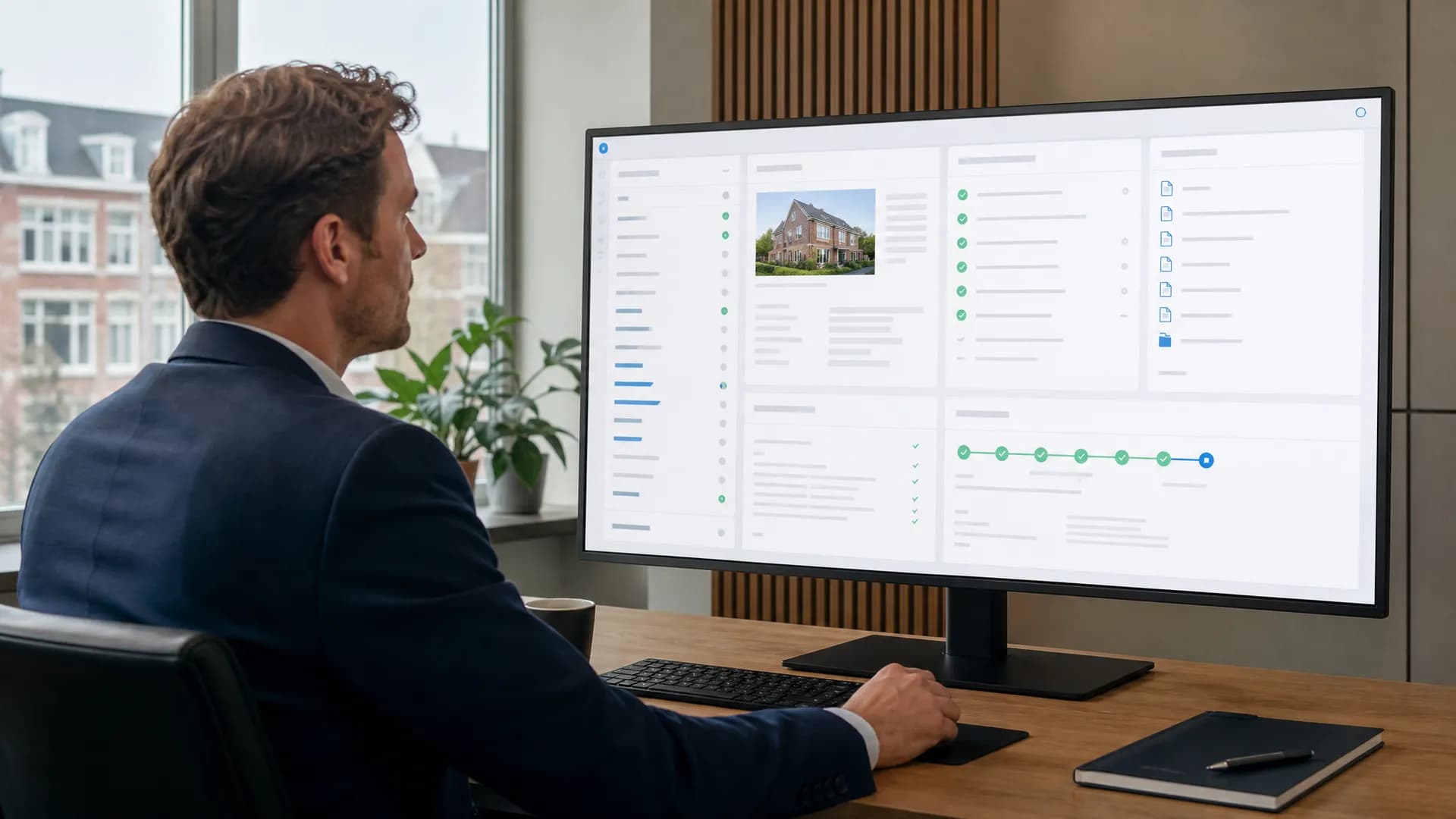
Use one concise decision register per property, linked to the client file. Record the source of the foundation signal, date received, file owner, what was explained to the client, outstanding information, the chosen follow-up and completion date. This does not create a guarantee regarding value, acceptance or foundation condition, but it does create an auditable timeline of the advice process. Practical tool: For each foundation signal, record the source, date, owner, client discussion, outstanding check and agreed follow-up decision. Then schedule one review point before the financing application and add the outcome to the same entry. The available passages describe the role of foundation risk in valuation and valuation judgement, but not the acceptance rules of individual lenders or advisers' legal duty to keep records. This article therefore does not provide individual legal, financial, valuation or foundation advice; leave the technical assessment and any further investigation to the appropriate expert.