
Buying a Kia Picanto: buy the file, not the model name
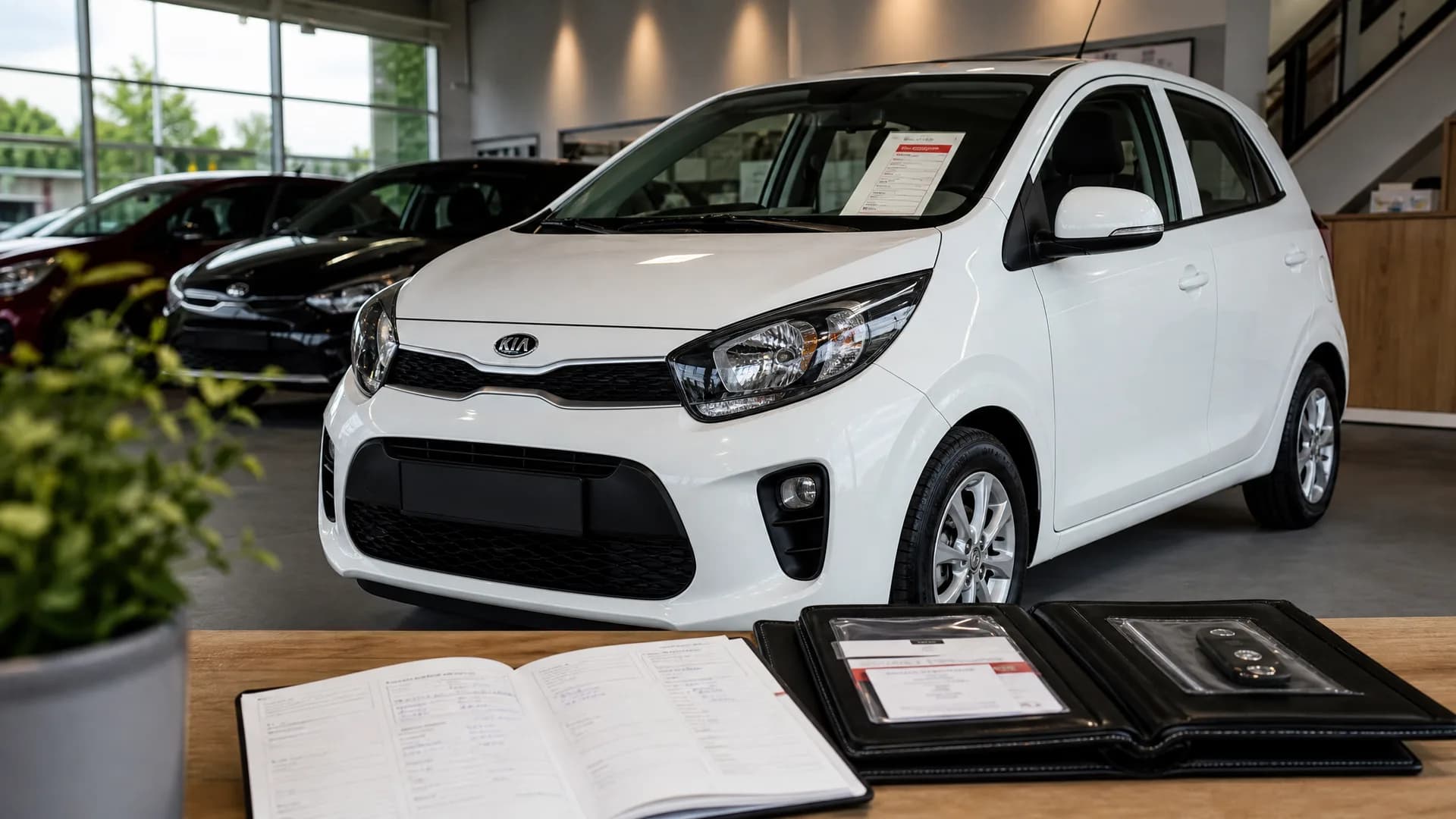
The purchasing decision starts with what can be verified
Treat the Picanto as an individual file, not as a predictable stock rule. With a registration number, the public RDW registration check can show general vehicle data, including the number of owners, an assessment of the odometer reading, technical and tax information, and the date of the most recent transfer. Compare that outcome with the available maintenance invoices, the specification you actually see and your own technical inspection. This makes the decision explainable: proceed only if the documents and the car do not contradict each other. The source provides general registration information; it does not replace an inspection, maintenance file or valuation.
Turn inspections into a transferable sales file
Use one decision register per car, before pricing and publication. Record the registration number, source outcome, available maintenance documents, technical inspection performed, visible signs of use, owner of any outstanding item and the decision: buy, repair or pass. For each Picanto, record the RDW outcome, available proof of maintenance, technical inspection performed, visible signs of use and the purchase, repair or sales decision. This prevents a later listing from implying more certainty than the file supports. According to RDW, business access to part of the registration register does not provide odometer readings or personal data; do not fill in such missing information with assumptions. Show in photos and conversation what has been checked and what constitutes normal wear and tear, without making a general reliability promise.
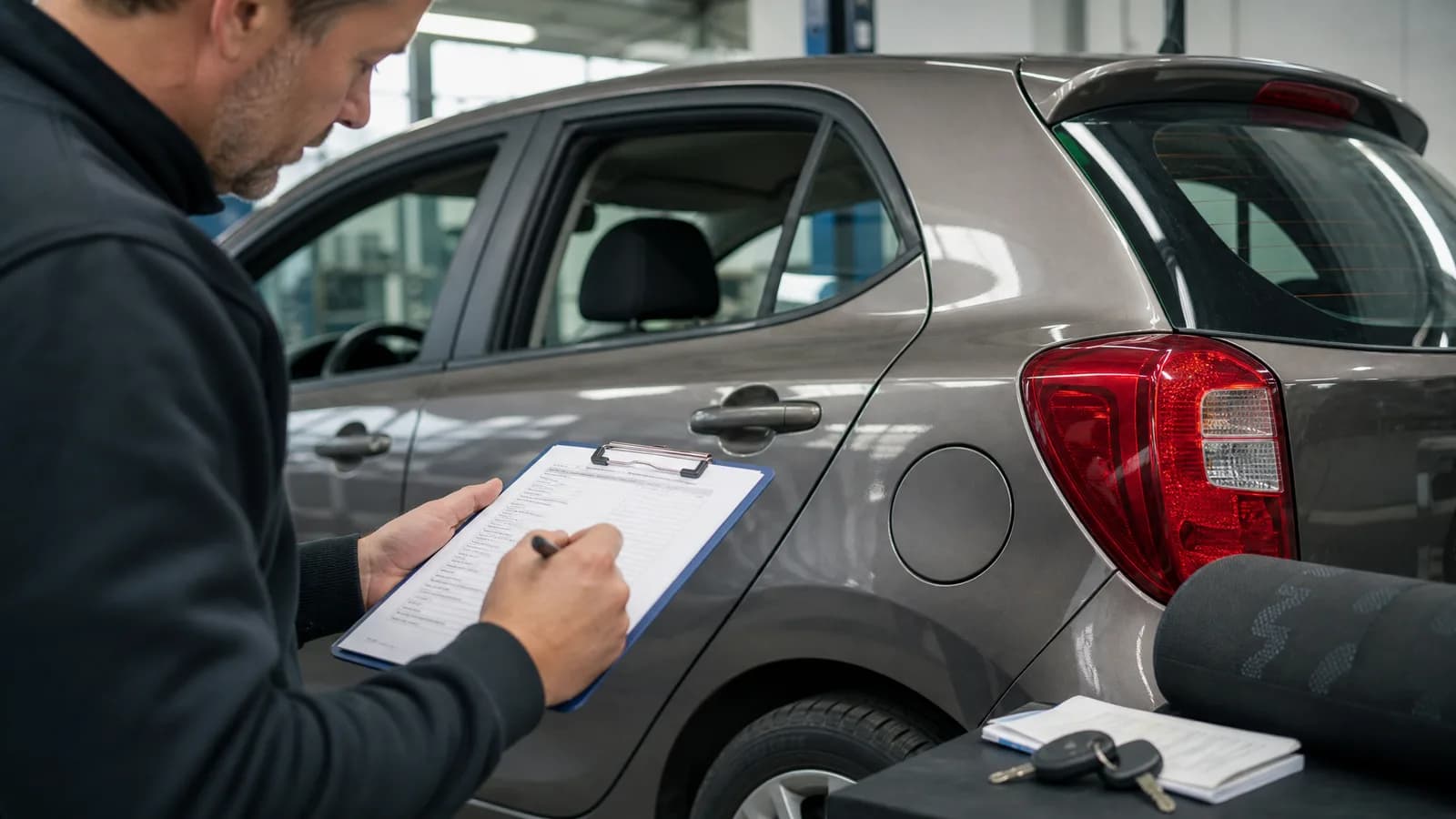
Only confirm the sales condition once responsibilities are clear
According to the Dutch government, following transfer, the registered keeper is responsible for motor vehicle tax, third-party liability insurance and likely MOT approval. That matters for a clear handover, but it says nothing about the individual technical quality of this Picanto. Odometer fraud is punishable by law and, according to the government, may be associated with an unsafe car and higher purchase and maintenance costs; a favourable odometer reading without a matching file is therefore not an argument for buying. The assessment in this article is limited to the public data and administrative context mentioned; it does not replace an individual legal, financial or technical assessment of a car. Therefore, only publish once outstanding inspection points have been resolved or have been recorded specifically and honestly.